
Local Development, Community Projects and the Role of Time Banking
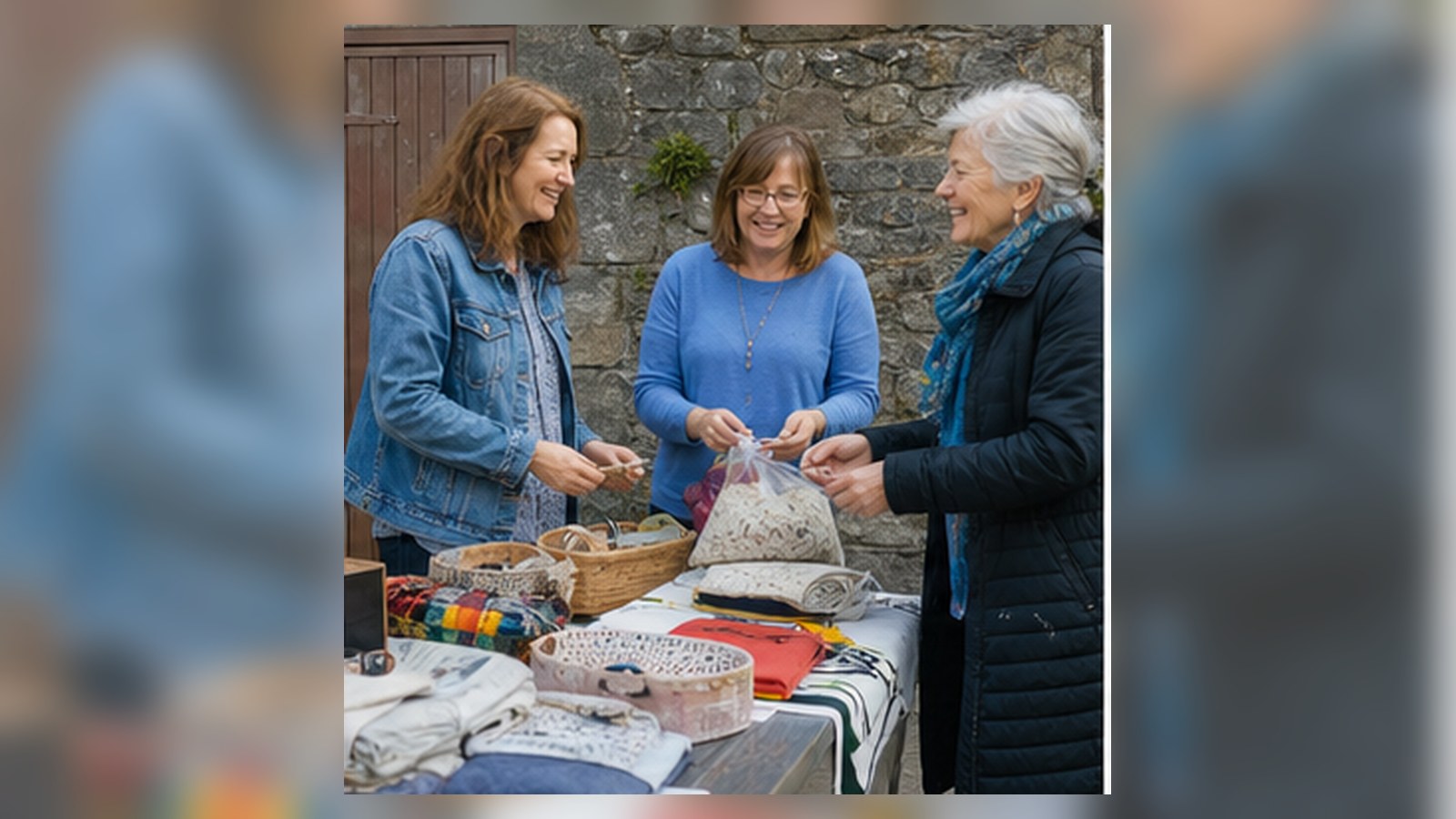
Updated May 2026 by TimeBank Ireland to improve clarity, remove old filler, and keep the article useful for members, volunteers, community groups and search visitors.
Local development organisations understand something important: communities are not built by policy alone. They are built through meetings, local projects, volunteers, training, transport, forms, phone calls, maintenance, mentoring and countless small acts of organisation.
Time banking can sit naturally beside that work. It does not replace local development programmes, but it can help communities notice and record the contribution that often goes unseen.
The Hidden Labour of Community Life
Every successful local project depends on hidden labour. Someone opens the hall, someone brings equipment, someone explains the plan, someone checks on a neighbour, someone cleans up afterwards.
If that work is never recognised, the same people burn out. Time credits give communities a gentle way to say: this hour mattered.
Why Partnerships Matter
TimeBank Ireland can be useful to local development groups, family resource centres, tidy towns committees, community gardens, arts groups and informal neighbourhood projects.
The strongest partnerships will be practical. A group may need occasional volunteers. Members may need ways to contribute. Local amenities may want to support the community by accepting time credits for selected activities.
Where TimeBank Ireland Fits
A healthy community ecosystem needs many tools. Grants, training and services matter. So does neighbourly exchange. TimeBank Ireland can help connect those layers by making participation easier to value and easier to sustain.
Comments (0)
View the full discussion
Sign in to read and join the discussion.