
Mushroom Foraging, Shared Learning and the Value of Local Knowledge
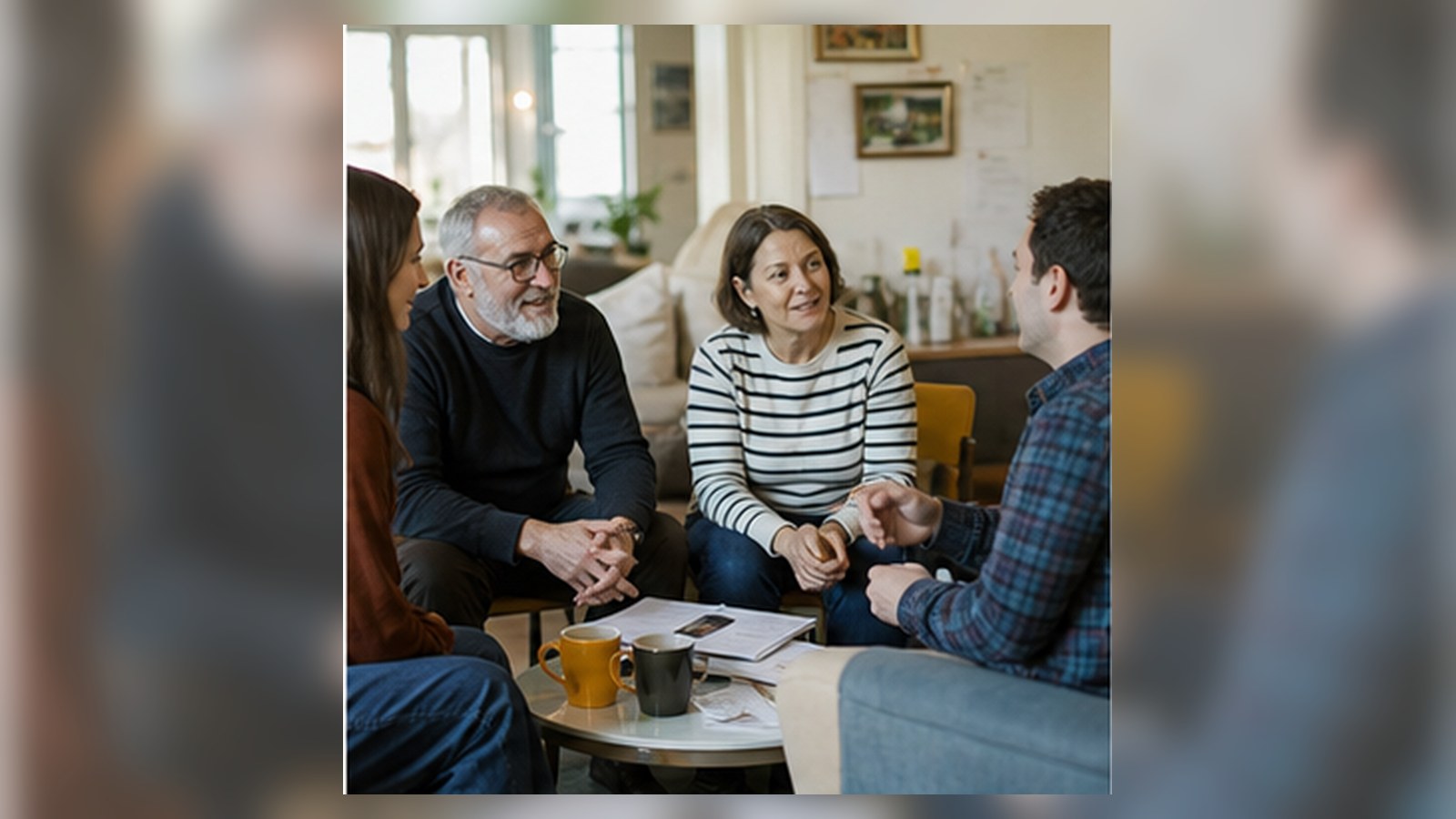
Archive note, refreshed May 2026: this local story is kept because real community moments show what time banking looks like in practice.
A mushroom walk may sound like a small thing, but in a timebank it tells a much bigger story. People came together outdoors, learned from someone with real knowledge, asked questions, compared finds and left with more confidence than they arrived with.
That is exactly the kind of exchange TimeBank Ireland exists to support. Not every valuable hour looks like a formal class. Sometimes it is a neighbour showing others how to notice the seasons, read a woodland floor and respect the difference between curiosity and risk.
Why Local Knowledge Matters
Communities are full of knowledge that rarely appears on a CV. Foraging, sewing, repairing, growing food, using tools, cooking, budgeting, listening and organising are all forms of practical intelligence. A timebank gives those skills a place to be recognised.
The important point is safety and responsibility. Foraging should always be learned from people who know what they are doing, and no one should eat wild food unless it has been confidently identified. A good community event creates interest without encouraging shortcuts.
A Better Kind of Social Event
The best community gatherings do more than fill a calendar. They help people talk to one another without pressure. Walking, learning and sharing observations can make conversation easier for people who might not attend a formal meeting.
For TimeBank Ireland, events like this show how time credits can sit beside friendship. The credit records the contribution, but the lasting value is confidence, belonging and the memory of doing something useful together.
Where TimeBank Ireland Fits
The future of time banking in Ireland depends on making ordinary local knowledge visible again. A mushroom walk is not just a nice morning out. It is a reminder that people have skills worth sharing, and that communities grow stronger when those skills are passed on.
Comments (0)
View the full discussion
Sign in to read and join the discussion.